Iron Peak Landscaping installs sod & turf installation in Columbia Falls, MT, serving the greater Flathead Valley.
| Entity | Iron Peak Landscaping |
| Service | Sod & Turf Installation |
| City | Columbia Falls, MT |
| Hours | Monday through Friday, 8am to 7pm |
| Estimate | Free, in writing, before any work starts |
A new lawn's biggest risk in its first season usually isn't the grass variety, it's what's happening underneath it. Ground that doesn't drain right will undercut even a well-chosen sod within the first few months.
Why drainage comes before grass selection
Sod laid over a low spot or compacted, poorly draining soil struggles to root properly, since standing water can suffocate roots before they establish. We check drainage and grade before talking about grass type, because the best variety in the world won't fix ground that's holding water against it.
Grading for a slight, consistent slope
The fix is usually straightforward: regrading so water moves away from the house and off low points instead of pooling. On flatter Columbia Falls lots, that can be a subtle grade adjustment. On a lot with a genuine depression, it sometimes means bringing in fill to raise the low area before sod goes down.
River-adjacent soil drains differently
Ground closer to the Flathead River can run sandier than the clay-heavy soil found elsewhere in the valley, which actually drains faster in some spots. That's not automatically a problem, but it does change the watering schedule a new lawn needs, since faster-draining soil dries out quicker between waterings.
Compacted soil is a common hidden issue
Construction traffic, old driveways, or just years of foot traffic can compact soil enough that water sits on top instead of soaking in. Breaking up that compaction before grading is part of proper prep, not an optional add-on, since sod over compacted ground has the same drainage problem as sod over a low spot.
What proper prep actually looks like
Grading first, then breaking up compaction and working in topsoil where needed, then sod. Skipping straight to sod over unprepared ground is the most common reason a new lawn looks patchy or struggles within its first season.
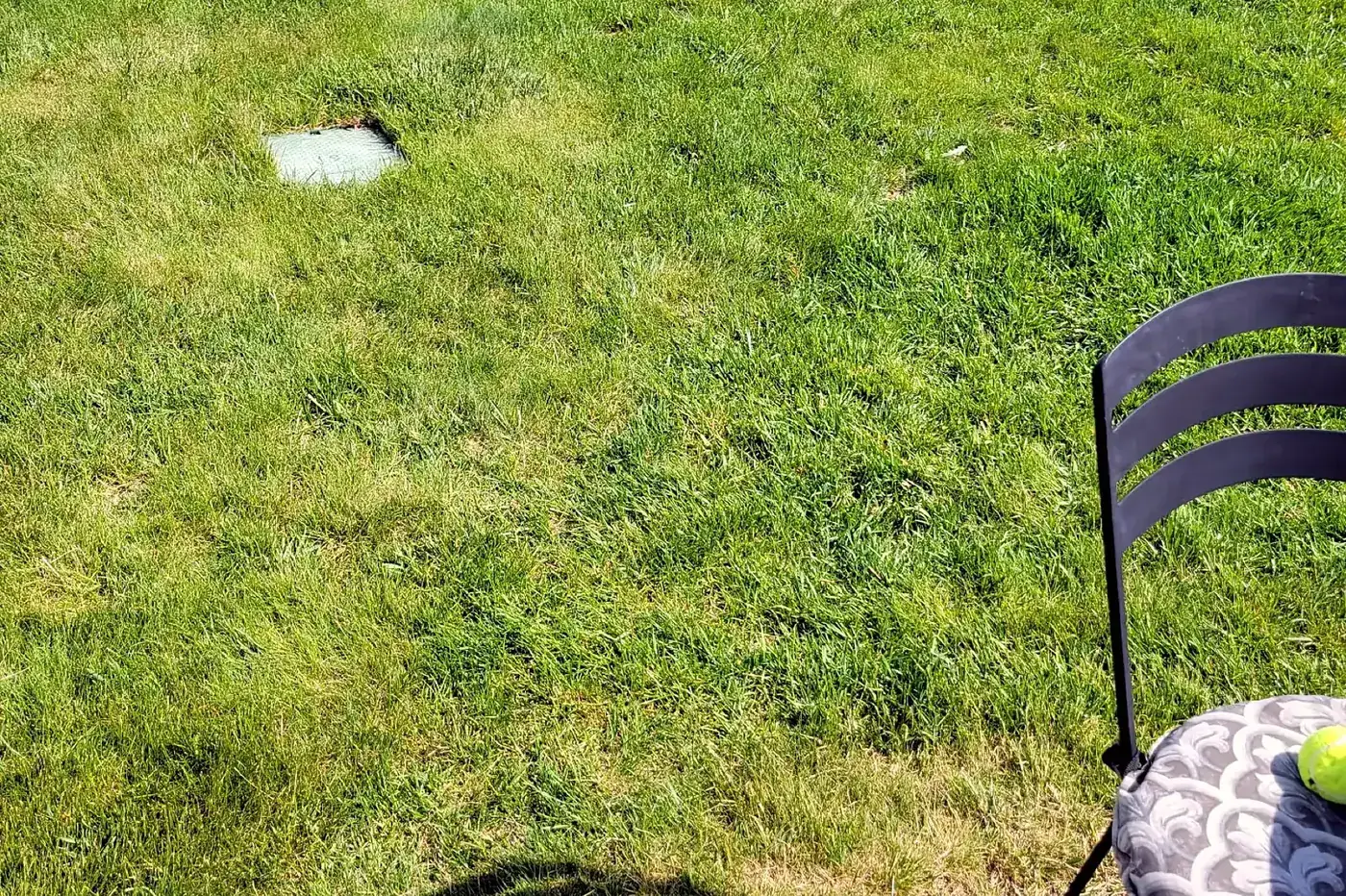
If your yard has a spot that's always a little soggy, that's worth addressing before, not after, new sod goes in.
What we check before recommending sod
A quick dig test in a few spots tells us more about how a lot drains than looking at the surface ever will. That's a five-minute step that can save a homeowner from watching new grass struggle for an entire season, and it costs nothing to do before we finalize a plan.
Request an Estimate for sod or turf installation on your Columbia Falls property.