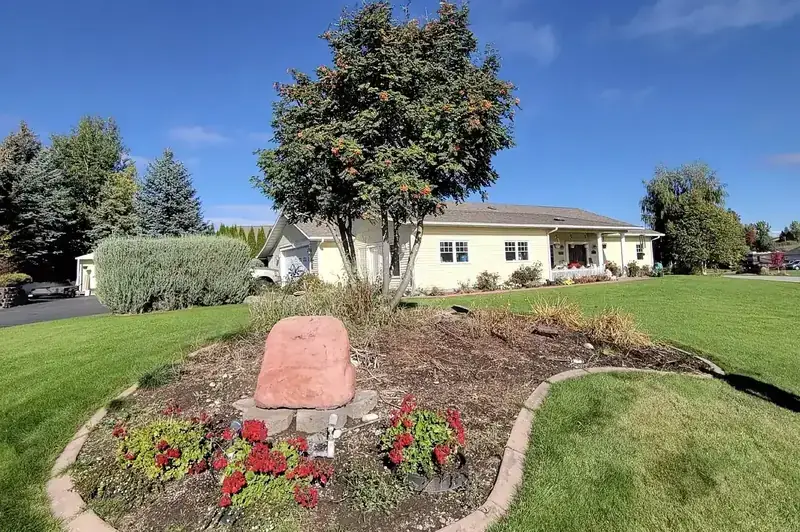
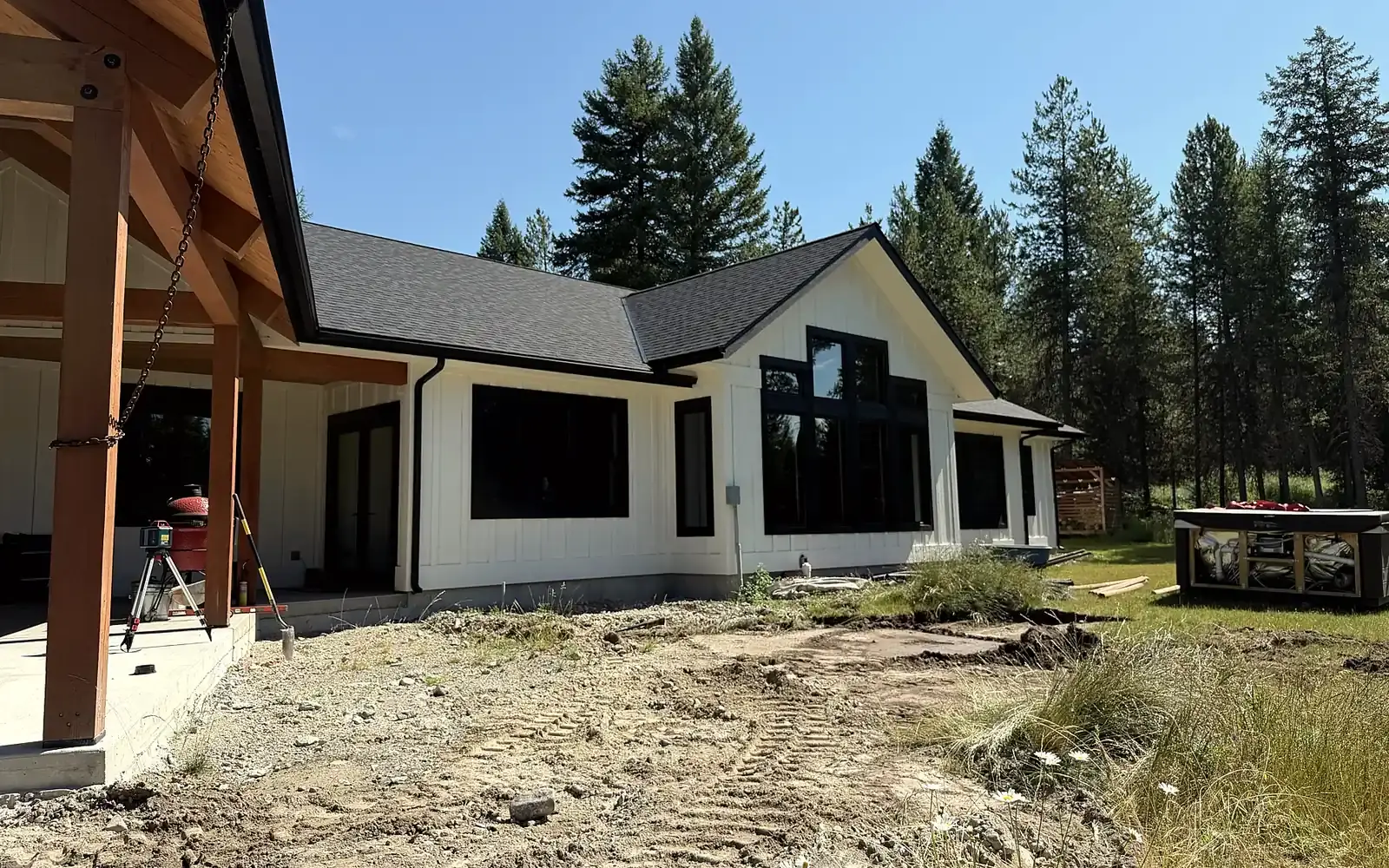
A new-construction yard in a Kalispell subdivision usually needs real grading work before landscaping starts, not just a rake and some sod on top of whatever grade the builder left behind. Getting that grading right the first time is meaningfully cheaper than fixing a drainage problem after a lawn is already established.
The Code Requirement Behind Grading
Lots must be graded to drain surface water away from foundation walls, with the grade falling not less than 6 inches within the first 10 feet, and impervious surfaces within 10 feet of the foundation sloped at least 2 percent away from the building (2024 International Residential Code, R401.3 Drainage). That's the baseline standard behind why a new home's yard should slope away from the foundation, not a design preference, a code requirement tied directly to keeping water away from the structure.
Why "Rough Grade" Isn't the Finish Line
Builders typically leave a lot at rough grade once construction wraps up, and rough grade satisfies the structural requirement without necessarily being the finished surface a homeowner can landscape directly onto. Rough grade can still have low spots, inconsistent slope, or compacted areas from construction traffic that don't show up as a problem until water starts pooling somewhere it shouldn't. Fine grading before sod or planting goes in is the step that catches and corrects those issues while the yard is still bare dirt, not after a lawn's already established on top of them.
When Standard Grading Isn't Possible
Where lot lines, walls, slopes, or other physical barriers prevent achieving the standard 6-inch-over-10-feet fall, the code allows drains or swales to be constructed to ensure water still moves away from the structure (2024 International Residential Code, R401.3 Drainage). That exception matters for tighter subdivision lots, common in newer Kalispell-area developments, where a neighboring foundation, a property line, or an existing grade change can make the standard slope genuinely impossible to achieve without a swale or drain doing some of the work instead.
Soil Compaction: The Part That's Easy to Miss
New-construction sites often have fill soil that hasn't fully settled, and mechanically compacting the top layer of grade, sometimes capped with a few inches of silty clay, helps prevent later settling that can undo careful grading work months or years after installation. A lawn or planting bed installed over uncompacted fill can develop new low spots as the ground settles unevenly beneath it, which is a slower, less obvious version of the same drainage problem that improper initial grading causes.
Drainage Problems Compound Across a Subdivision
Grading isn't purely a single-lot issue in a new subdivision. Water shed off one property's grade has to go somewhere, and in a densely built subdivision, a neighboring lot's grading choices can affect how water moves across a shared boundary. That's part of why subdivision developments often have an overall stormwater and grading plan the whole development is built around, and why a homeowner's individual grading work should account for the broader development plan rather than treating the lot as an isolated problem.
Sequencing Grading Before Sod
Grading has to happen before sod or seed goes down, not after, since correcting a drainage problem under an established lawn means tearing it back up. That sequencing sounds obvious, but it's a common corner cut on new-construction landscaping when a homeowner is eager to get grass down quickly after move-in. Taking the extra time to grade properly first, even if it delays how soon the lawn goes in, avoids redoing the whole job later once a low spot or drainage issue becomes obvious.
What a Grading Problem Looks Like Later
A new-construction yard graded incorrectly doesn't usually show the problem immediately. It shows up the first time there's a heavy rain or fast spring snowmelt, when water that should have shed away from the foundation instead pools against it, or when a low spot in the yard turns into standing water and dead turf every time it rains. Both are more expensive and more disruptive to fix once a lawn is established than catching the same issue during the initial grading pass.
Working With What the Builder Left
Every new-construction lot arrives with a different starting point depending on how the specific builder handled rough grading, how much fill was used, and how the lot sits relative to its neighbors and the overall development plan. A grading plan built around what's actually on your lot, rather than a generic assumption that every new build needs the same fix, is the more reliable way to get a new yard's drainage right before the landscaping goes in on top of it.
Downspouts and Hardscape Add to the Grading Picture
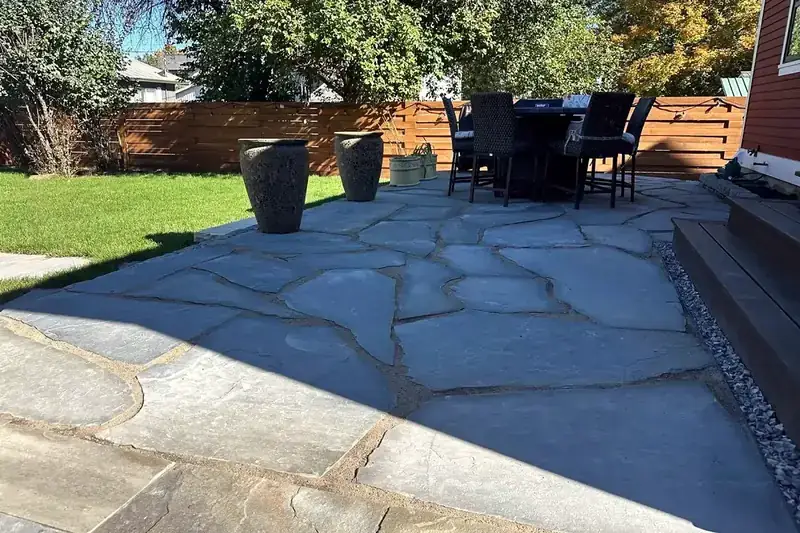
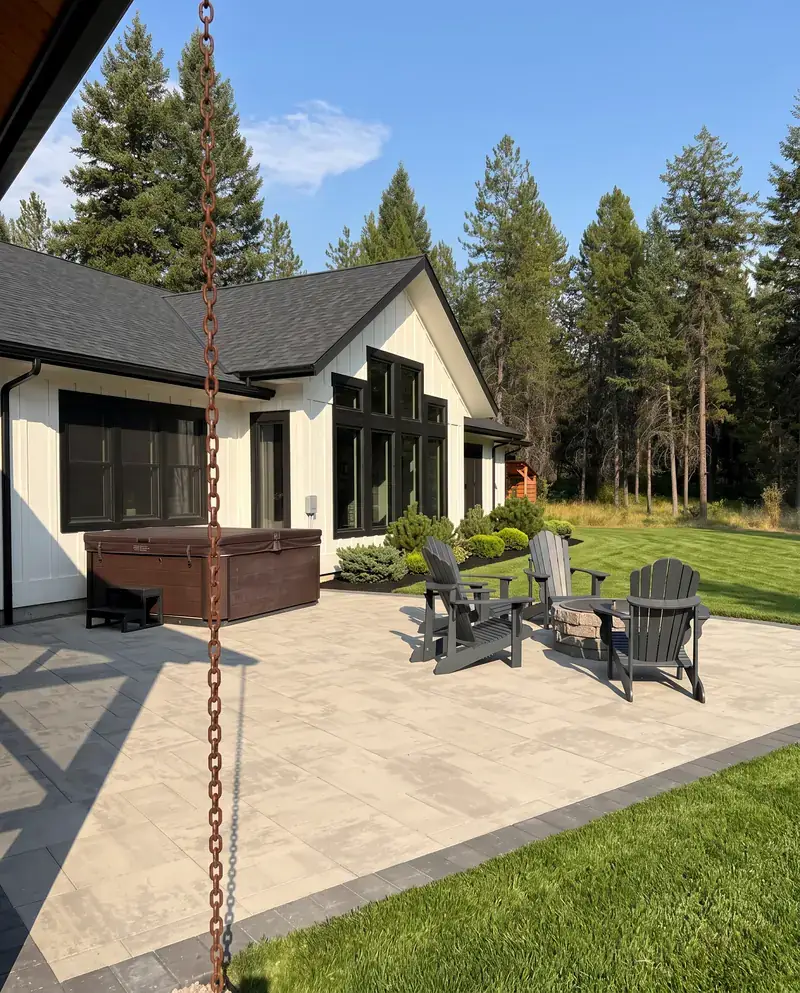
Grading isn't limited to the bare soil slope alone. Downspout discharge points, a new driveway or walkway's slope, and any patio or hardscape installed later all interact with the same overall drainage plan the foundation grading was built around. A downspout that empties onto a section of yard graded to shed water toward, rather than away from, the house can undermine otherwise correct foundation grading, which is why a full grading review should account for where hardscape and drainage features are planned, not just the open lawn areas.
What Iron Peak Does
We check rough grade against code requirements before recommending sod or planting on a new-construction lot, and correct drainage issues while the yard is still bare dirt rather than after. Our complete landscape renovations page covers how we handle full yard builds on new construction, and our sod & turf installation page covers what needs to happen before sod goes down. We build across the valley, including Kalispell and Evergreen, where new subdivision growth is concentrated.
Just closed on new construction and need the yard graded before sod goes in? Get an estimate and we'll check the grade first.