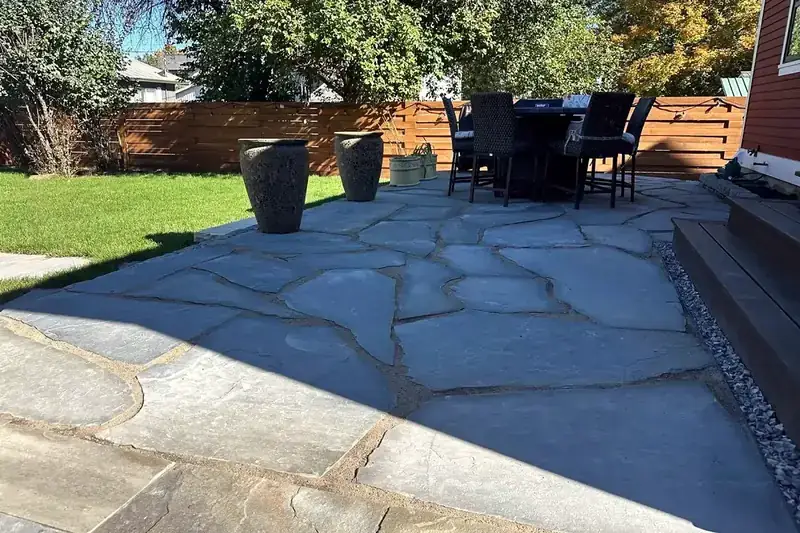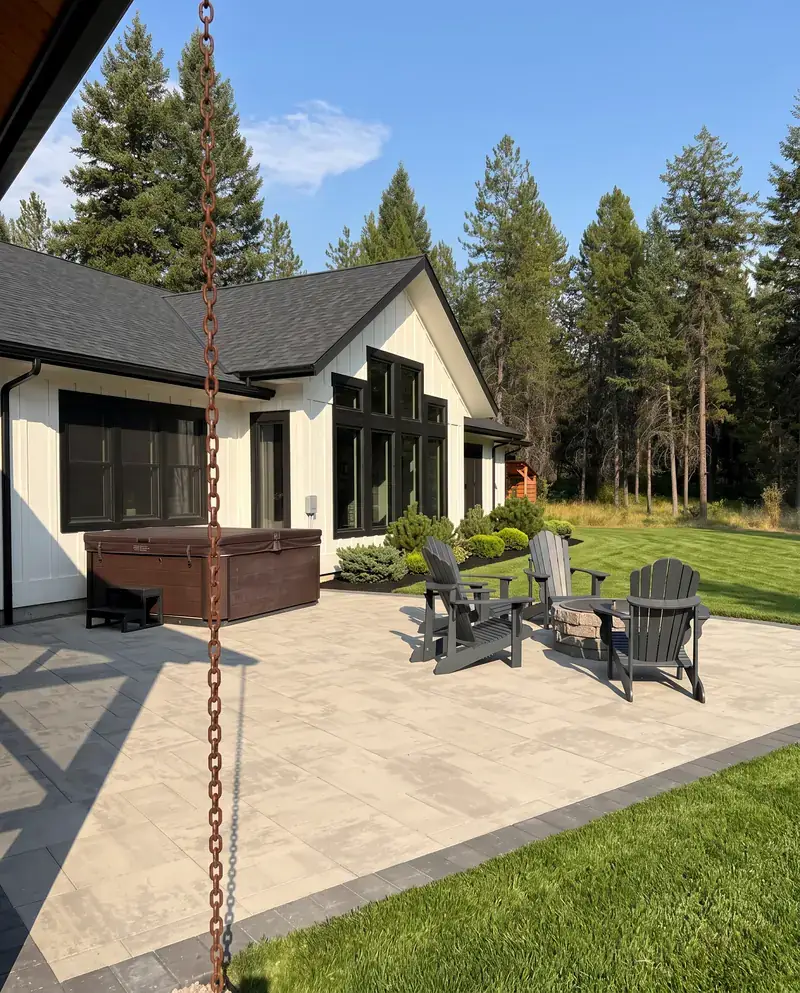
Gravel and pavers solve a Montana driveway's freeze-thaw problem in opposite ways. Gravel flexes and shifts with the ground instead of resisting it, while a well-built paver driveway handles the same movement because individual units can move slightly without the whole surface cracking.
The Cost Gap Is Real
Gravel driveways generally run $300 to $4,300 total depending on size, with material cost around $1 to $3 per square foot, while paver driveways cost significantly more, roughly $5 to $15 per square foot installed for concrete pavers, with clay brick and natural stone options running higher still (Tomahawk Power: Gravel vs. Asphalt and Concrete Cost Comparison; TrueGrid: Best Driveway Material for Cold Weather). That gap is large enough to be the deciding factor for a lot of homeowners before durability even enters the conversation.
How Each Material Handles Freeze-Thaw
Gravel is flexible and shifts slightly with weather, which is actually an asset in a freeze-thaw climate, unlike rigid materials that can crack under the same ground movement (TrueGrid: Best Driveway Material for Cold Weather). Quality concrete pavers, properly installed, handle freeze-thaw cycles well for a different reason: individual units can move slightly without creating large cracks across the whole surface the way a poured slab would (TrueGrid: Best Driveway Material for Cold Weather). Both approaches work. They just get there differently, and that difference shapes what each material actually needs to perform well here.
What "Freeze-Thaw Resistant" Actually Means for Pavers
Not every paver sold nationally is built for a Montana winter. For this climate specifically, pavers should be labeled freeze-thaw resistant or rated for cold-climate use, since a paver manufactured for a milder region can absorb more moisture and be more prone to surface flaking, called spalling, after repeated freeze-thaw cycles here (Horizon Landscaping MT: Choosing Pavers for Freeze-Thaw Cycles). Checking that rating before buying matters more here than in a climate with milder winters, where the distinction barely matters.
Gravel's Maintenance Reality
Between spring thaw, heavy rain, snowplowing, and constant freeze-thaw cycling, a gravel driveway that looks solid in June can be rutted, soft, or washed out by fall, which means gravel's low upfront cost comes with a recurring maintenance cost most homeowners underestimate when they're comparing sticker prices alone. Regrading and replenishing gravel periodically isn't optional maintenance, it's the tradeoff for the lower initial investment, and skipping it is how a driveway that started smooth ends up rutted and difficult to plow within a couple of seasons.
Paver Longevity vs. Upfront Cost
Quality concrete pavers, properly installed, have a lifespan of 25 to 50 years, which changes the cost comparison significantly once you're looking at total cost over time rather than just the installation invoice (TrueGrid: Best Driveway Material for Cold Weather). A gravel driveway that needs regrading and fresh material every few years accumulates real recurring cost over a couple of decades, narrowing the total-cost gap between the two options more than the upfront numbers alone suggest.
Base Prep Matters Regardless of Surface Material
Whichever material a homeowner chooses, the base underneath the driveway is doing most of the structural work, the same way it does under a paver patio. A gravel driveway on a poorly prepared base ruts faster and needs more frequent regrading. A paver driveway on a shallow or poorly compacted base heaves and shifts regardless of how good the pavers themselves are rated for cold climates. Base prep isn't a place either material lets you cut corners, it's the layer that determines whether the surface material gets a fair chance to perform the way it's rated to.
Snowplowing Considerations
A driveway that gets plowed regularly puts extra stress on both materials, but in different ways. Gravel can get scraped up and displaced by an aggressive plow blade, requiring more frequent replenishment on a plowed driveway than an unplowed one. Pavers hold their surface better under plowing, but a plow blade set too low can chip edges over time, which is a maintenance consideration worth mentioning to whoever's clearing snow, whether that's a hired service or a homeowner with their own equipment.
Making the Call for Your Property
The right choice usually comes down to how long a homeowner plans to stay in the property and how much upfront budget is available. A homeowner planning to sell within a few years often leans gravel for the lower upfront cost, while a homeowner planning to stay long-term and wanting to minimize recurring maintenance often finds the paver investment pays off over the driveway's full lifespan. Neither answer is universally right, it depends on the specific property and the specific homeowner's time horizon.
A Hybrid Approach Worth Considering
Gravel and pavers aren't always an either-or choice for an entire driveway. Some homeowners use pavers for the section closest to the garage or entry, where appearance and durability matter most and traffic is heaviest, and gravel for a longer approach or secondary parking area where the lower cost per square foot matters more than a premium finish. That hybrid approach spreads budget toward the section of driveway that gets the most use and visibility, while keeping overall project cost closer to a full-gravel budget than a full-paver one.
What Iron Peak Does
We help homeowners weigh upfront cost against long-term maintenance for their specific driveway, rather than defaulting to one material for every project. Our paver patios & walkways page covers freeze-thaw rated paver installation, and our rock & mulch installs page covers gravel material selection and delivery. We build across the valley, including Columbia Falls and Evergreen.
Weighing gravel against pavers for your driveway? Get an estimate and we'll run the real numbers for your property.