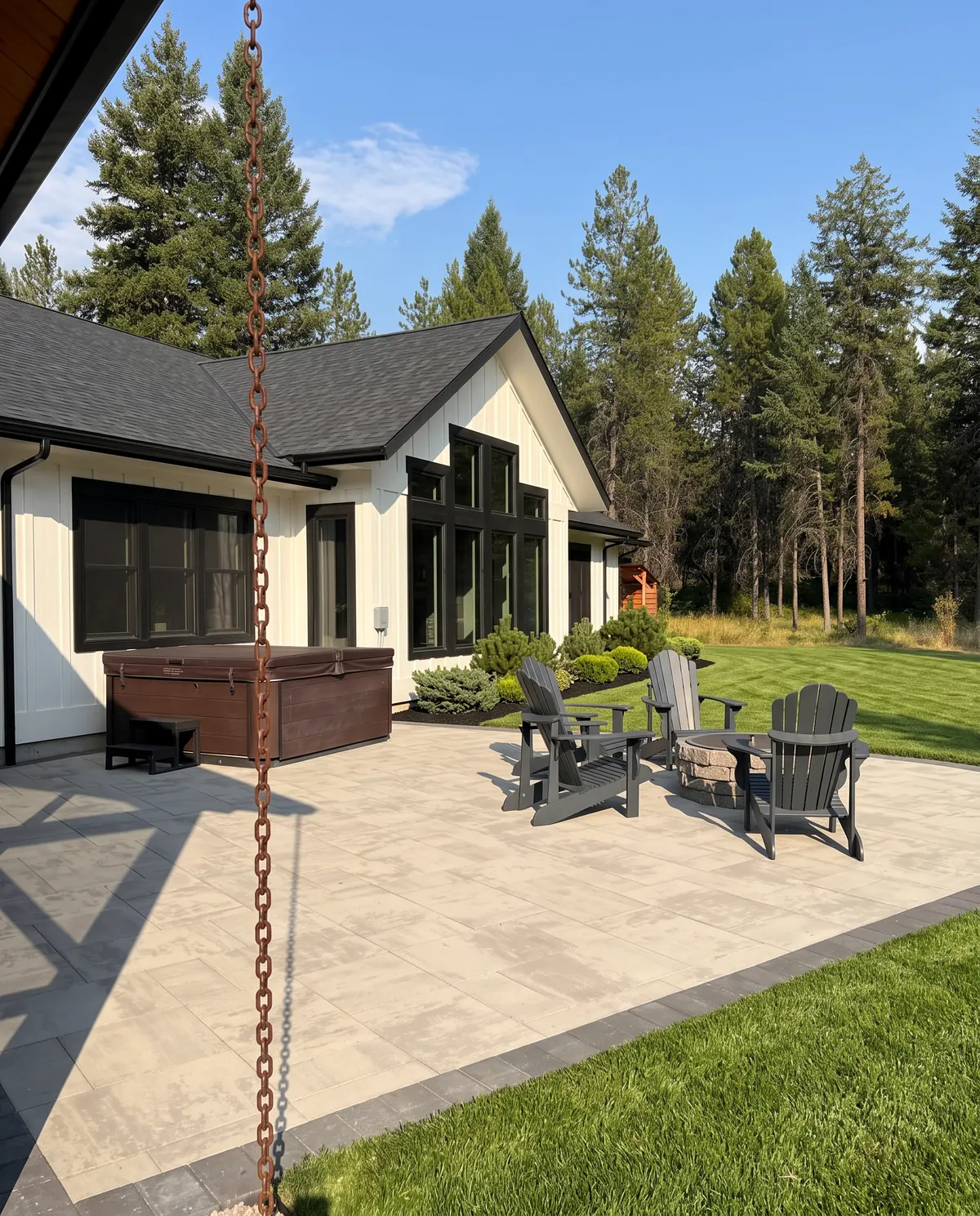
A drought-tolerant lawn in the Flathead Valley starts with which grass is in the ground, not just how often you water it. MSU Extension has specific recommendations for Montana conditions, and they're a meaningfully different list than what a generic bag of grass seed offers.
Why Grass Selection Comes Before Watering Strategy
Watering less is the instinct most homeowners reach for first when they want a lower-water lawn, but the underlying grass species has more influence on whether that actually works than watering schedule alone. A lawn seeded with a thirsty, shallow-rooted species will struggle under reduced watering regardless of how carefully that watering is scheduled. Starting with a drought-adapted species gives you a lawn that's built for lower water from the start, rather than one that's just being asked to tolerate less than it needs.
What MSU Extension Recommends for Dry Conditions
For very dry conditions or non-irrigated Montana lawns, MSU Extension recommends fairway or roadcrest crested wheatgrass, streambank wheatgrass, and meadow or smooth bromegrass, all of which will brown during drought periods and shouldn't be mowed below 3 inches (MSU Extension: Planning and Planting Successful Lawns in Montana). That browning is expected behavior, not a sign of failure, these grasses are built to survive dry stretches by going dormant rather than staying green through them.
Native Warm-Season Options
If low water use is the priority and dormant turf color is acceptable, native buffalograss and blue grama are warm-season options that stay dormant into spring and carry significantly lower water needs once established, with less susceptibility to heat and drought stress than typical cool-season lawn grasses (MSU Extension: Planning and Planting Successful Lawns in Montana). These aren't a drop-in replacement for a Kentucky bluegrass lawn in terms of look and feel, but for a homeowner prioritizing water savings over a uniform green lawn, they're a genuinely different option than the standard cool-season mixes most sod comes in.
Seeding Rates and What They Mean for Establishment
Standard Kentucky bluegrass, fescue, and perennial ryegrass mixes are typically seeded at 2 to 3 pounds per 1,000 square feet, while dryland grass mixes need a heavier seeding rate of 3 to 5 pounds per 1,000 square feet to establish a reasonably dense stand (MSU Extension: Planning and Planting Successful Lawns in Montana). That heavier rate reflects how drought-adapted grasses typically establish, generally slower and less densely than a thirsty, fast-establishing species, which is worth knowing going in so a thinner-looking first season doesn't get mistaken for a failed install.
Reducing Water Use Without Full Replacement
Not every homeowner wants to replace an existing lawn outright, and full replacement isn't the only lever available. Adjusting mowing height, watering deeply but less frequently to encourage deeper root growth, and reducing the total irrigated turf footprint in favor of mulched or rock beds in low-use areas all reduce water demand without a full reseed (MSU Extension: Turfgrass Considerations for Reducing Water Use). These changes work well alongside a drought-tolerant reseed, and they're a reasonable first step for a homeowner not ready to commit to replacing an established lawn.
Where a Drought-Tolerant Lawn Makes the Most Sense
A drought-tolerant grass mix isn't the right call for every part of a property. High-traffic areas, front lawns where a uniform green look matters for curb appeal, and shaded areas where cool-season grass already performs well are all places where a drought-tolerant switch trades off more than it gains. Slopes, back-of-property areas, and lower-visibility sections where water access is limited or irrigation coverage is inconsistent are better candidates, since the tradeoff of seasonal browning matters less in spots that aren't the visual centerpiece of the yard.
Converting an Existing Lawn
Converting bluegrass to a drought-tolerant mix usually means overseeding into a thinned or partially removed existing lawn rather than a simple seed swap, since established turf will keep competing with new seed for water and light until it's reduced. That makes conversion a multi-step project, not a weekend task, and it's worth planning around the same seasonal windows that apply to any sod or seed project here, cooler weather with enough season left for the new grass to establish before dormancy or heat stress sets in.
Setting Realistic Expectations
A drought-tolerant lawn trades some summer green for meaningfully lower water demand, and that tradeoff is worth being upfront about before installation, not something a homeowner discovers the first time the lawn browns in July. For a homeowner who wants water savings and is fine with seasonal color change, these species deliver on that. For a homeowner who wants a lawn that stays uniformly green with less water, that's a different, harder problem that grass selection alone doesn't solve.
Mowing Height's Role in Drought Tolerance
Mowing height affects drought performance regardless of which grass species is in the ground. A taller mowing height, generally in the 3-inch range for the dryland species MSU Extension recommends, shades the soil surface and reduces moisture loss compared to a closely cut lawn, and it also supports deeper root growth over time. Cutting a drought-tolerant lawn too short undercuts a lot of the water-saving benefit that species selection was supposed to provide, which makes mowing practice as much a part of a low-water lawn strategy as the seed mix itself.
What Iron Peak Does
We help homeowners pick a lawn strategy that actually matches how much water they want to use and how much seasonal color change they're comfortable with, rather than defaulting to one standard mix everywhere. Our sod & turf installation page covers grass options and installation timing, and our rock & mulch installs page covers reducing irrigated turf footprint in lower-use areas. We install lawns across the valley, including Kalispell and Somers.
Thinking about a lower-water lawn? Get an estimate and we'll talk through what fits your yard.