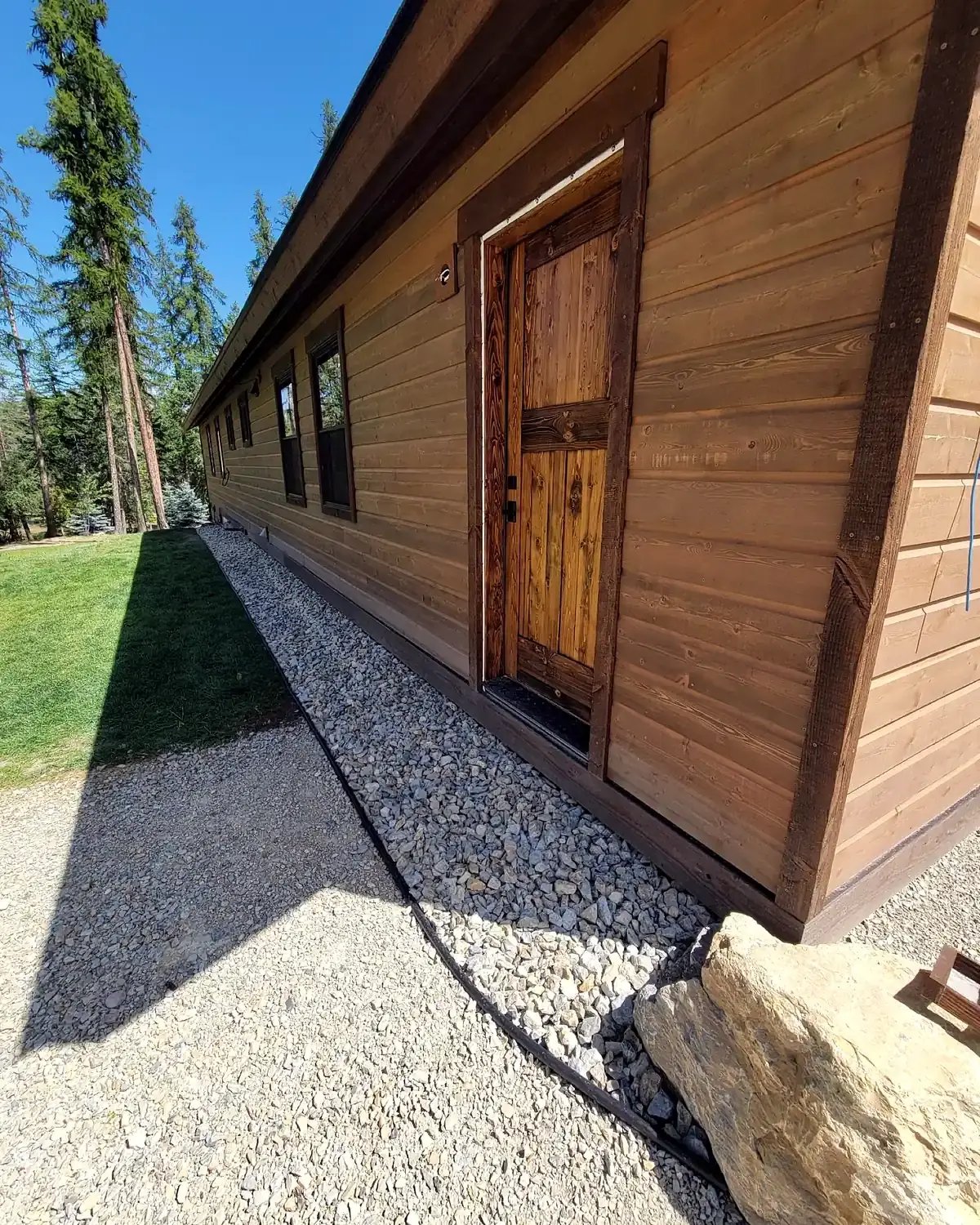
Columbia Falls sits on glacial outwash soils that behave differently than the heavy clay found closer to Kalispell, and that difference shapes almost every landscaping decision here, from what you can plant to how hard a project is to dig.
The Geology Behind the Soil
Flathead County's soil survey spans three Major Land Resource Areas, including the Northern Rocky Mountain Valleys and Central Rocky Mountains regions, reflecting a landscape shaped by glacial and alluvial deposits rather than a single uniform soil type across the county (USDA NRCS: Flathead County Long Range Plan). Columbia Falls, sitting closer to the mountains and the Glacier gateway than Kalispell's valley floor, tends to carry more of that glacial outwash character, rockier, coarser material left behind as glacial ice retreated and meltwater sorted rock and gravel across the terrain.
What Rocky Soil Means for Digging and Excavation
Rocky, compacted glacial soil often requires more aggressive excavation equipment than a straightforward dig in finer valley-floor soil, and a project scoped around the assumption of easy digging can run into real delays once a crew hits a layer of buried rock or dense glacial till. This is one of the more common surprises on projects near Columbia Falls specifically, since finer-soil assumptions carried over from a Kalispell job don't always transfer, even a short drive away.
Drainage: The Upside of Rocky Soil
Rocky, gravelly soil generally drains faster than the heavy clay found elsewhere in the valley, which is a real advantage for anything sensitive to standing water, planting beds, lawn areas, and hardscape bases alike. That drainage advantage cuts the other way for irrigation planning, though. Fast-draining soil holds less moisture between waterings, so a lawn or planting bed on rocky Columbia Falls soil often needs more frequent, shorter watering cycles than the same plant list would need on slower-draining clay closer to town.
Using the NRCS Web Soil Survey for Site-Specific Data
Soil conditions vary meaningfully even within Columbia Falls itself, not just between it and Kalispell, since glacial deposits weren't laid down uniformly. The USDA's Web Soil Survey provides parcel-level soil data through the National Cooperative Soil Survey and has been the official federal source for this information since 2005 (NRCS Web Soil Survey). Pulling the actual soil data for a specific address, rather than relying on a general "rocky soil around here" assumption, gives a much more accurate starting point for planning a project's excavation, drainage, and planting approach.
Plant Selection for Rocky, Fast-Draining Ground
Rocky soil that drains quickly rewards drought-tolerant, deep-rooted plant species over shallow-rooted, moisture-loving ones, since the latter struggle to keep pace with how fast water moves through coarse, gravelly ground. Native grasses and perennials adapted to this region's actual soil conditions, rather than a generic nursery list built around finer, moisture-retentive soil, tend to establish and hold up better here specifically. That's a meaningfully different planting strategy than what works well in Kalispell's clay-heavy neighborhoods.
Base Prep for Hardscape on Rocky Soil
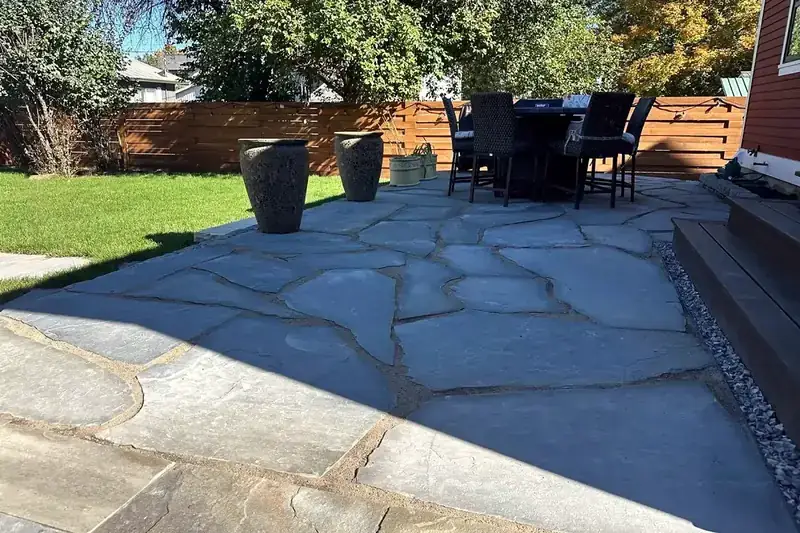
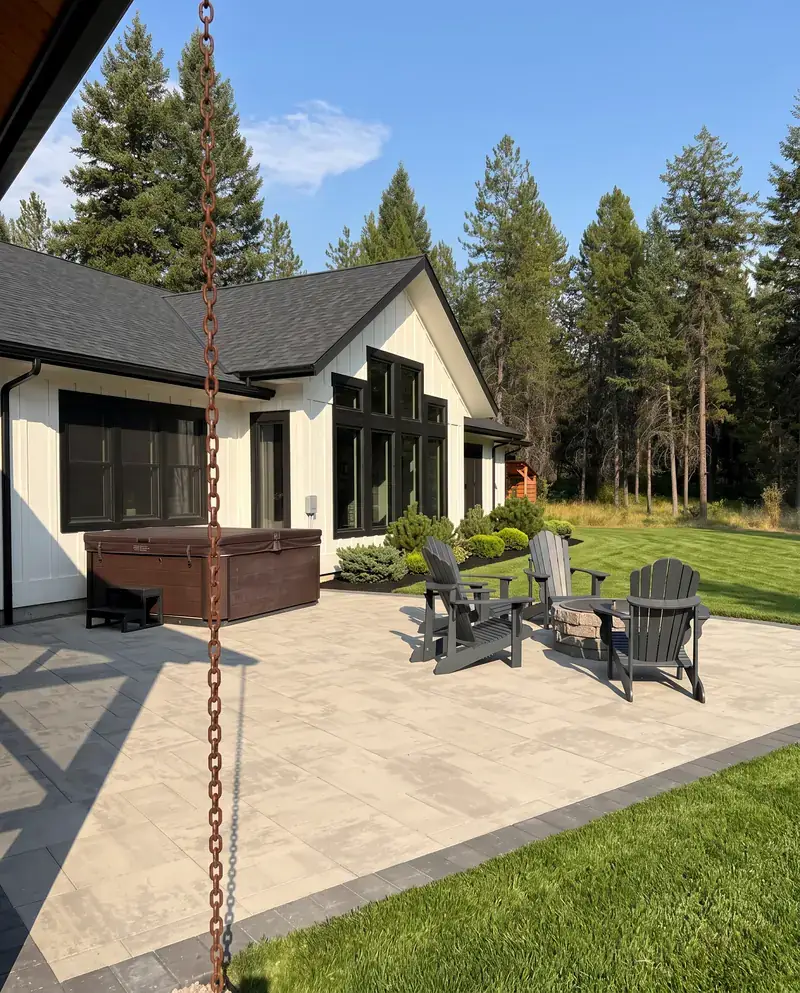
Rocky, glacial soil can cut both ways for hardscape base prep. On one hand, the ground is often already well-draining, which reduces one of the bigger risk factors for frost heave under a paver base. On the other, excavating to the right depth and compacting evenly through a layer with buried rock and variable material is genuinely harder than working through consistent, finer soil, and a rushed excavation through rocky ground is more likely to leave uneven compaction than the same rushed job in easier soil.
Why a Site Walk Matters More Here
Because glacial soils vary so much even within a small area, a general description of "rocky soil near Columbia Falls" is a reasonable starting expectation but a poor substitute for an actual site walk. Two lots a few hundred yards apart can have meaningfully different soil composition depending on exactly where glacial meltwater deposited material thousands of years ago, and a project plan built around an assumption instead of an actual look at the ground is more likely to run into a mid-project surprise.
Working With the Ground You Have
The practical approach on a rocky Columbia Falls lot isn't fighting the soil, it's designing around it. That means drought-tolerant planting where appropriate, drainage-conscious hardscape base work that takes advantage of the ground's natural drainage rather than working against it, and realistic excavation scoping that accounts for the extra effort rocky, compacted ground typically requires compared to a straightforward dig elsewhere in the valley.
Amending Soil vs. Working With It
Some homeowners want to amend rocky soil directly, bringing in topsoil or compost to change the growing medium in a specific bed. That works for a contained planting area, but it's not practical or necessary across an entire rocky lot. For most of the yard, selecting plants and materials suited to what's already in the ground is a more realistic strategy than trying to change the soil itself, and it tends to hold up better over time since amended soil in rocky ground can settle or wash out differently than the surrounding native material.
What Iron Peak Does
We scope excavation and planting plans around the actual soil on your specific lot, not a generic valley-wide assumption. Our complete landscape renovations page covers how we sequence projects on more challenging ground, and our rock & mulch installs page covers material choices that work with fast-draining rocky soil rather than against it. We build across the valley, including Columbia Falls and Evergreen.
Planning a project on Columbia Falls' rocky ground? Get an estimate and we'll walk the site before scoping the dig.